|
The Fourth
International Congress on the Phenomenological Aspects
of Civil Engineering PACE-2028 (20-22 September 2028) |
|||||||||
|
|
|||||||||
|
|
Phenomenological Aspects of Civil Engineering PACE-2028 |
Home |
|
||||||


|
No matter pandemic,
no matter distance, let's meet at the highway of knowledge, within the torch
of science |
|||||||||||||||||||||||||||||||||||||||||||||||||
|
|
|||||||||||||||||||||||||||||||||||||||||||||||||
|
Extended Abstract/Full Text
Submission Deadline 19 September 2028 |
|||||||||||||||||||||||||||||||||||||||||||||||||
|
|
|||||||||||||||||||||||||||||||||||||||||||||||||
|
|||||||||||||||||||||||||||||||||||||||||||||||||
|
|
|||||||||||||||||||||||||||||||||||||||||||||||||
|
KEYNOTE LECTURERS |
|||||||||||||||||||||||||||||||||||||||||||||||||
|
|
|
|
|
||||||||||||||||||||||||||||||||||||||||||||||
|
Coming Soon |
Coming Soon |
Coming Soon |
Coming Soon |
||||||||||||||||||||||||||||||||||||||||||||||
|
Coming Soon |
Coming Soon |
Coming Soon |
Coming Soon |
||||||||||||||||||||||||||||||||||||||||||||||
|
Coming Soon |
Coming Soon |
Coming Soon |
Coming Soon |
||||||||||||||||||||||||||||||||||||||||||||||
|
|
|
|
|
||||||||||||||||||||||||||||||||||||||||||||||
|
|
|
|
|
||||||||||||||||||||||||||||||||||||||||||||||
|
|
|
|
|
||||||||||||||||||||||||||||||||||||||||||||||
|
|
ONLINE & FACE-TO-FACE |
|
Topics |
||||
|
|
|
|
|
|
|||
|
Congress Chairman Prof. Dr. Abdulkadir C neyt AYDIN Ataturk University, Engineering Faculty, Department of Civil Engineering, 25030, Erzurum, TURKIYE Scientific Committee Abbas
HEYDARI, Sharif University of Technology, IRAN Abdelhafid KHELIDJ, Nantes University,
FRANCE Abdullah D LS Z, Y ld r m Beyaz t University,
TURKIYE Adem DOGANGUN, Uludag University, TURKIYE Ahmet Can ALTUNI IK,
Karadeniz Technical University, TURKIYE Arvin FARID, Boise State University,
USA Ayfer D NMEZ AVDAR Karadeniz
Technical University, TURKIYE Ayman S.
MOSALLAM, University of California, USA Aynur KAZAZ,
Akdeniz University, TURKIYE Ayse DALOGLU, Karadeniz
Technical University, TURKIYE Badee ALSHAMER , National University of Sciences and Technology (NUST),
PAK STAN Baki ZT RK, Hacettepe
University, TURKIYE Beyhan BAYHAN, Bursa
Technical University, TURKIYE a la Meral
AKG L, Middle East Technical University, TURKIYE Erfan NAJAF, Islamic Azad University,
South Tehran Branch, Tehran, IRAN Esra Mete G NEY S ,
Gaziantep University, TURKIYE Fatih EL K, Ni de
mer Halisdemir University,
TURKIYE Fauzan Mohd.
JAKARN , University Putra Malaysia, MALAYSIA G khan ZDEM R, Eski ehir Technical University, TURKIYE Hossain SHOWKATI, Urmia University,
IRAN Ilker Bekir TOPCU, Osmangazi University, TURKIYE Halit YAZICI, Dokuz Eylul University, TURKIYE Hatem A. Abou-SENNA, University of
Central Florida, USA Helmi Zulhaidi Mohd SHAFRI, Universiti Putra, MALAYSIA Izzet Ufuk
CAGDAS, Akdeniz University, TURKIYE Jelena BLEIZIFFER, University of
Zagreb, CROTIA Jian JIANG, China University of Mining and Technology,
CHINA Kadir G LER, stanbul
Technical University, TURKIYE Kemal BEYEN, Kocaeli University, TURKIYE Le Hoang AN,
Ton Duc Thang University, VIETNAM Mahmut FIRAT, Inonu University, TURKIYE Marko SERAFIMOV, Methodius University,
MACEDONIA Mehmet NAN,
Oregon University, USA Merve MAALI, Erzurum
Technical University, TURKIYE Mohamed MOULI, ENSET,
ALGERIA Mohammad Arif
KAMAL Aligarh Muslim University, INDIA Mojtaba B. S RJAN ,
Norfolk State University, USA Naimul HAQUE, East
West University, BANGLADESH Nasr-Eddine
BOUHAMOU, University Center Nour Bachir of El-Bayadh, ALGER A Osman Hamdy OSMAN, Zagazig University,
EGYPT Saaid ZAKI, Institute of Nano Technology, EGYPT Said
KENAI, University of Blidal, ALGERIA Sakir ERDOGDU, Karadeniz
Technical University, TURKIYE Samet KILI , Medipol
University, TURKIYE Sinan SEZEK, Ataturk
University, TURKIYE Slimane MERDACI, Liabes Djillali University,
ALGERIA Sogol FALLAH, University College of
Dublin, IRELAND Suada DZEBO, University of Sarajevo,
SARAJEVO Suleyman ADANUR,
Karadeniz Technical University, TURKIYE Suman SAHA, National
Institute of Technology Durgapur, INDIA emsi YAZICI, Ege
University, TURKIYE Tanay
KARADEM R, Istanbul Bilgi University, TURKIYE, Tayfun UYGUNOGLU, Afyon Kocatepe University,
TURKIYE Xintao LIU, Hong Kong Polytechnic University,
HONG KONG Vahid JAHANGIRI, University of Mohaghegh Ardabili, IRAN Yao YU, North
Dakota State University, USA Yusuf AYVAZ, Yildiz Technical University, TURKIYE Congress Secretary Assoc. Prof. Dr. G khan KAPLAN, Ataturk University, TURKIYE |
|
Congress 20-22 September 2028 Extended Abstract/Full Text Submission Deadline 19 September 2028 Notification of Acceptance 19 September 2028 Announcement of Congress Program 19 September 2028 Publication of the Congress Book 15 October 2028 Organizing Committee Will be announced soon Staff Will be announced soon Invitation Letter Dear Colleagues
and friends We wish you and
all loved ones healthy, peaceful and safe future during these pandemic
times. In this process, as the scientists, rapidly adapted to new
methods while continuing the educational activity, we continued to produce
information for humanity and seek solutions for the relevant problems. The
congress aims to share your valuable works, to receive feedback, to observe
what is going on in your field and related disciplines, to collaborate with
colleagues from different parts of the world, and to sail the new horizons.
The congress will also provide an environment suitable for learning and
motivation. The Third International Congress on Phenomenological
Aspects in Civil Engineering (PACE-2028) will be held ONLINE
& Face-to-face and organized on 20-22 September
2028. The congress will include all areas of Civil
Engineering, including Earthquake Engineering. Languages of the
congress is English. The organization committee gives priority to young
researchers and encourages English presentation. Participants can participate
in PACE-2028 with online oral presentations. The congress is
designed hybrid for widest audience. Abstracts and
full-texts will be evaluated peer-review, and accepted after a positive
report of referees, through online system of the congress. (https://pace.acapublishing.com) Accepted
and presented full-text papers will be published in the congress
proceedings as online e-book and pdf, prepared within 2 weeks after the
congress. Withal, selected papers could be published in one of our
journals "Journal of Civil Engineering Beyond Limits-CEBEL" and
Brilliant Engineering Journal-BEN after performing the journal's
processes. (These journals but not the least.) It is an honor for
us to invite you to the unique international platform of the Phenomenological
Aspects in Civil Engineering (PACE-2028) which
brings civil engineers, structural engineers, earthquake engineers, and
representatives of related sectors and students together. We look forward to
meeting with you at the PACE-2028. Respectfully, Chairman |
|
Topics
Application Steps 1. Submit your manuscript through Online System from 15
September 2028. (You have to
select the congress name (Phenomenological Aspects in Civil Engineering
Congress from the pulldown menu), as word file 2. If your manuscript is accepted, you will be
informed. 3. You can make your payment through the online system
after acceptance of your paper. The registration fee is 100 USD up to three papers by same author for
international participants (100 USD up
to two papers by same author participants from T RK YE). No fee for
listeners. 4. Your abstract should be in the range of 200-300
words. 5. There must be at least 3 keywords. 6. Under the title, authors' Title, Name, Surname,
University, ORCID number, Email addresses should be written 7. The manuscript has to be at least 4 pages 8. Similarity rate of your full text should be below
20%. 9. Your full paper should be written as the Manuscript Template. E-mail: congress@acapublishing.com Presentations 1.
The keynotes have 30 minutes for their presentation and 10 minutes for
questioning. 2.
The other authors will have 15 minutes for their presentations and 5
minutes for questioning. 3.
The Breakout Rooms will be the keep in touch place for the congress. |
|
The presentations
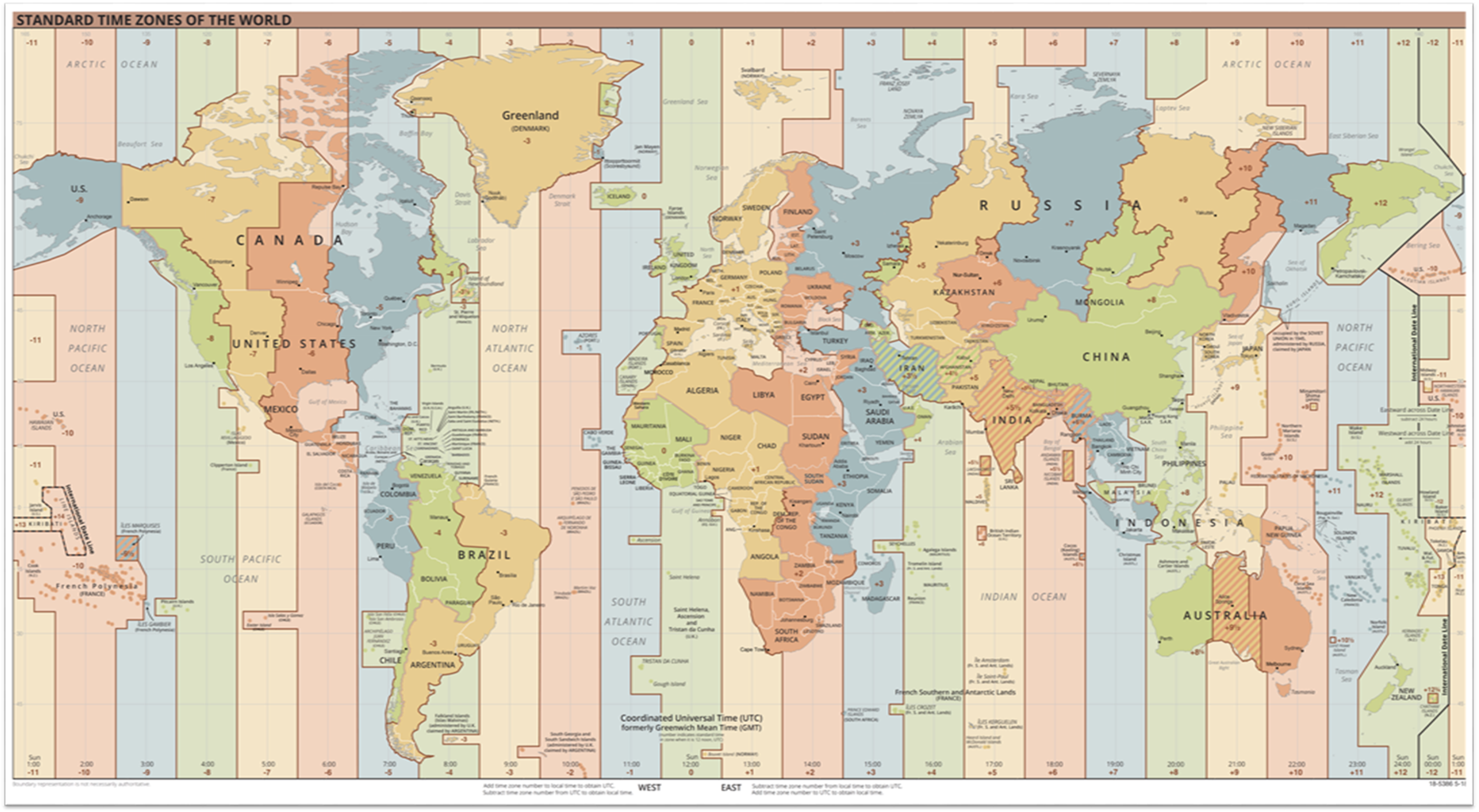
will be programmed according to relevant time zone for the applicants. |
|
|||||||
|
|
|
|||||||
|
The listed times
are for TURKIYE Local Time (GMT+3) For Ex: The North America Central Time Zone
(GMT-5) is 8 hours earlier. Malaysia Local Time (GMT+8) is 5 hours ahead. |
|
|||||||
|
|
|
|||||||
|
|
|
|
|
|||||
|
|
|
|||||||
|
No matter pandemic, no matter distance,
let's meet at the highway of knowledge, within the torch of science. |
|
|||||||
|
|
|
|||||||
|
|
by Academy & ACA Publishing Contact congress@acapublishing.com |
|
|
|||||
|
|
||||||||